Finite Element Analysis

Consulting > Finite Element Analysis

Our FEA services evaluate and optimize medical device performance through modeling aligned with ASME V&V 40 principles – to support efficient, data-driven development from early material selection to clinical functionality.

FEA Services – optimized to accelerate the pathway to bring novel medical devices to market

Simulated precision

To gain deep knowledge and confidence in your device, it is critical to understand the pertinent stresses and strains your device is expected to undergo - for its full lifecycle.

Where design, consulting, and benchtop testing intersect to drive innovation in medical device development.

At G.RAU Inc., we bridge the gap between computational analysis, expert consulting, and real-world testing to ensure medical devices perform as intended. Our finite element analysis (FEA), conducted in collaboration with Engage Medical Device Services, provides predictive insights into how materials and designs withstand physiological deformations. We strive to advance industry expectations by developing high-fidelity models and analyses aligned with FDA reporting guidelines and ASME V&V 40 principles.

In parallel with our FEA engineering services, our consulting expertise supports design optimization and regulatory strategy to help ensure your device reaches the market safely and effectively.

We put our FEA analyses to the test through rigorous benchtop evaluations to ensure that our simulations align with the predicted real-world performance. Whether refining an early-stage concept or troubleshooting a critical design challenge, we integrate these disciplines to deliver reliable, clinically-relevant solutions that benefit both clients and patients.

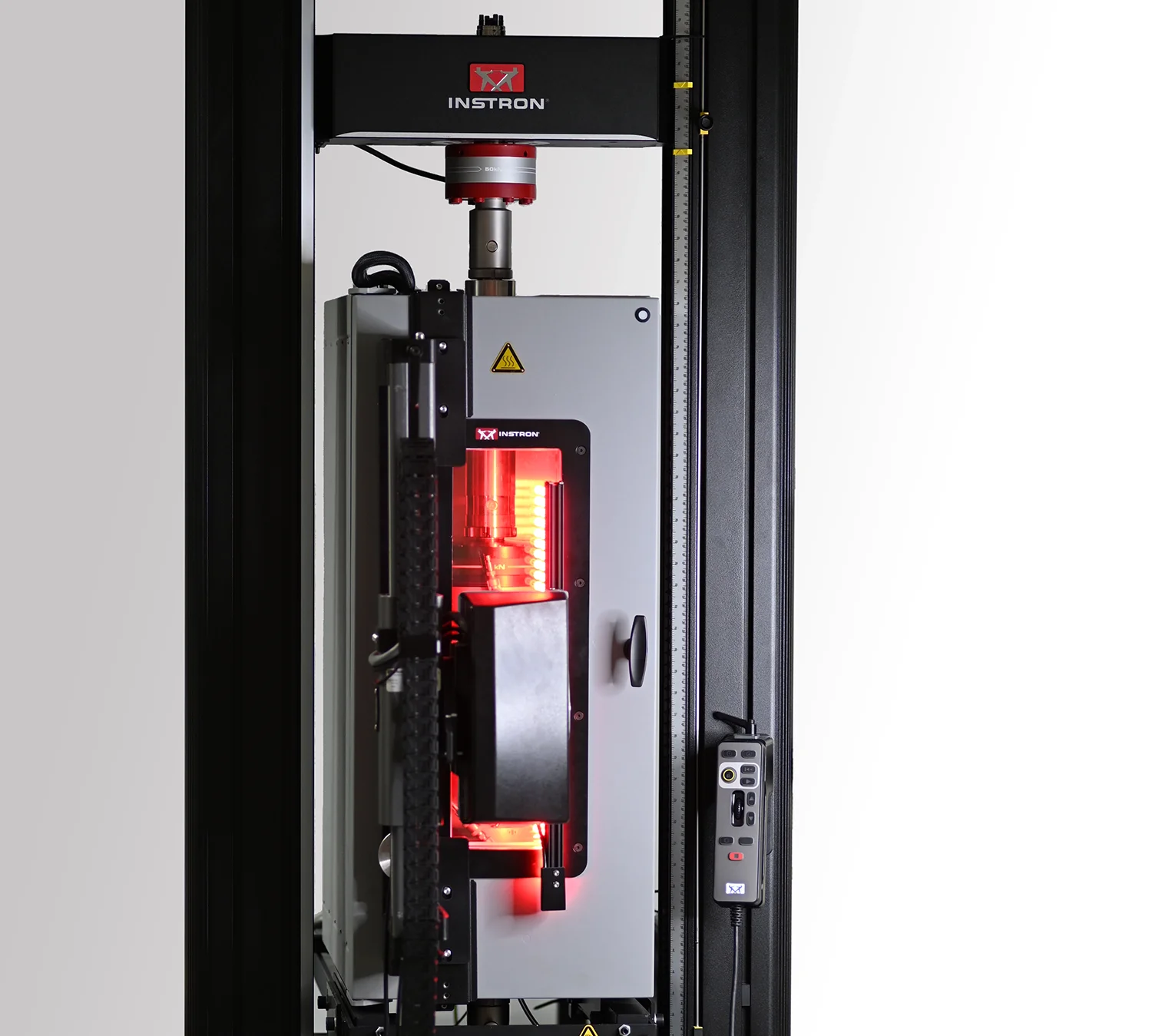
Packaged with our tensile, DSC, and radial force laboratory services, we are able to characterize the thermomechanical properties to ensure the FEA simulations are tailored to your material.

Establish Foundational Models to Predict Device Behavior

Preliminary evaluations establish the foundation for an effective simulation program. Early finite element analyses are used to explore material behavior, evaluate stress and strain distributions, and identify key sensitivities related to geometry and boundary conditions. Computational fluid dynamics (CFD) may also be incorporated to evaluate loading environments such as pressure distributions and flow-induced forces. These studies provide early insight to support design decisions, refine test conditions, and guide subsequent analyses. Identifying influential parameters early in development can help focus downstream simulation and testing efforts.

Define Material and Structural Behavior through Mechanical and Thermal Tests

Material and structural analyses combine simulation with laboratory testing to better characterize material and device behavior. Tensile, differential scanning calorimetry (DSC), radial force, and other applicable tests can be used to characterize material properties, transformation behavior, and device-level mechanical response for use in finite element models. These analyses evaluate the relationships between geometry, material behavior, and boundary conditions to better understand stresses, strains, and structural response under representative loading. Laboratory measurements can also be compared with analytical predictions to improve material models and provide greater confidence in simulation results.

Simulate Physiological Environments to Assess In Vivo Device Performance

Clinical assessments extend simulation into clinically relevant conditions to better understand device behavior within the body. Computational models can evaluate factors such as pressure, flow, motion, stress, and strain under conditions representative of the intended use environment. These analyses provide insight into areas that may influence fatigue, wear, and overall device performance, helping clients better understand expected device behavior and inform further design and testing activities.

Correlate Simulation and Fatigue Tests to Confirm Device Durability

Benchtop evaluations combine simulation insight with physical testing to better understand device performance under controlled conditions. FEA and clinically relevant simulations can help establish appropriate loading, deformation, and test conditions, while measured benchtop data can be compared with simulated responses to evaluate consistency between analytical and physical results. Together, these tools provide robust insights into device durability and mechanical performance and help inform continued development and verification activities.

Learn more about our tailored fatigue services designed to complement FEA models.

Material Guidance
Tensile Testing
Get In Touch

MM 3336-01 r 7